

If you are comparing talkatone, textfree, a burner app, or any 2nd phone number option, the real question is usually not which name is most familiar. It is whether your extra phone number is actually easy to manage when real conversations start piling up. A second number app is useful only when it helps you separate contacts, calls, and messages without turning that separation into extra work.
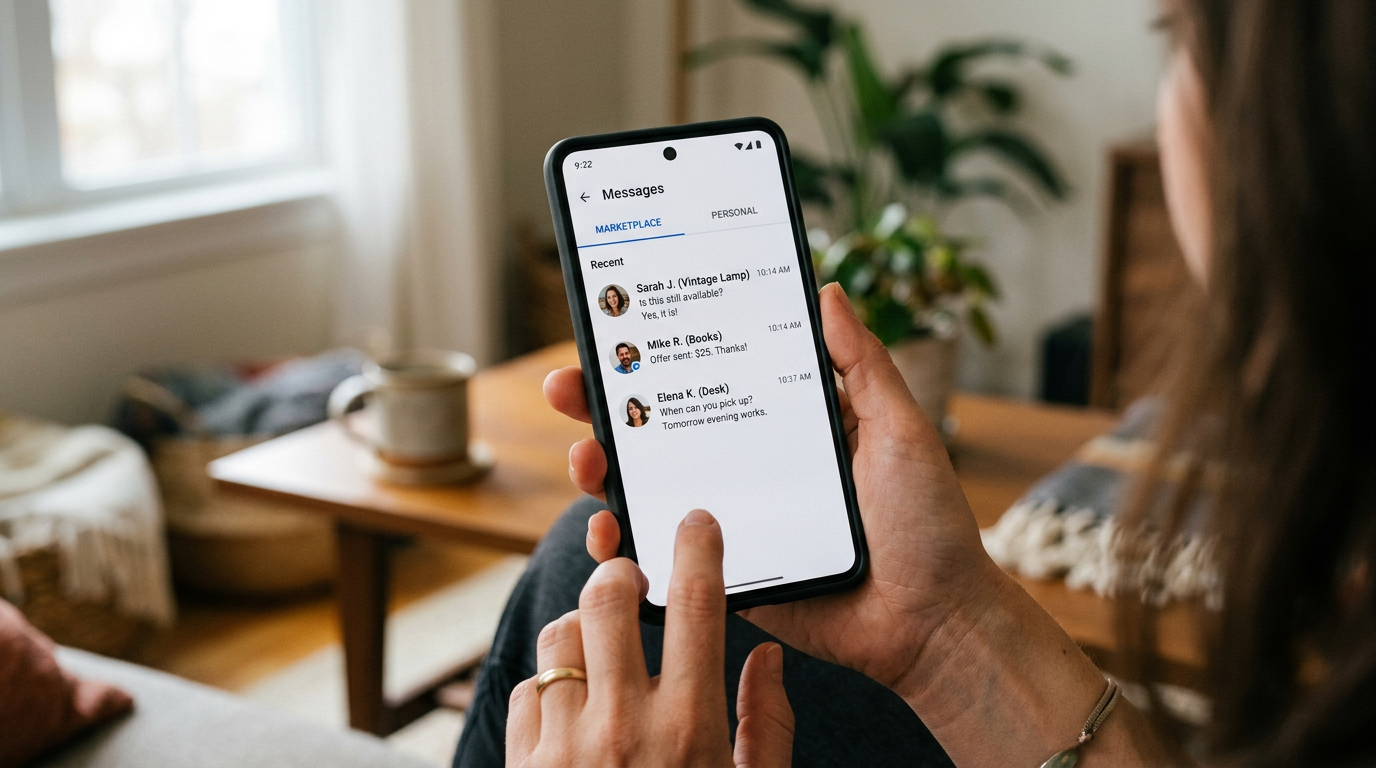
That is why one of the more meaningful improvements in Text &Call Second Phone Number is not flashy at all: a cleaner conversation and number-management flow designed to make an extra number feel practical day to day, not temporary and chaotic. For people using a virtual number and VoIP setup, that change matters more than another promise of unlimited texting.
What changed, in plain English
The improved experience is centered on using a second number more deliberately. Instead of treating every extra line like a disposable add-on, the app now makes it easier to keep calls, messages, and contact purpose separate inside one mobile workflow. In simple terms, it is a better way to use a burner-style number without feeling like you are losing track of who is calling, why they have that number, or when that number should still stay active.
That sounds small until you live with a messy inbox. Many people come from services associated with text free messaging and discover the hard part starts later: remembering which number they used for apartment listings, short-term work, online selling, travel signups, or side projects. The improvement here is about control.
Why this matters more than people expect
Most users do not wake up wanting a VoIP feature list. They want fewer awkward moments.
Practical scenario: you post an item for sale, hand out a temporary number, and get fifteen replies across two days. A week later, you no longer want those calls mixed with family messages on your main line. A basic burner setup gives you another number. A better setup helps you keep that activity contained and understandable while it is active.
Another scenario: a freelancer needs a second phone number for inbound client calls but does not want to carry a second device. If the app makes switching context clumsy, the extra line becomes something they avoid. If it keeps messages and calls organized, that same number becomes part of a repeatable work routine.
That is the difference between a novelty and a tool.
Who gets the most value from this feature?
This improved flow is most useful for people who use a second line with a clear purpose:
- Freelancers who want client calls on a separate phone number
- Students managing housing, marketplace, or club communications
- Small business owners testing ads or local outreach
- People dating, buying, selling, or traveling who prefer a virtual number first
- Anyone who wants a VoIP phone setup without another handset
Text &Call Second Phone Number is an iOS and Android app that provides a second phone number, virtual number, and VoIP calling and messaging for people who want separate communication lines on one device.
Who is this not for?
It helps to be clear here. This is not for users who need a traditional mobile operator with a physical SIM from your local mobile carrier. It is also not a call-blocking app. If your main goal is carrier-grade cellular service tied to a real SIM plan, this is the wrong category. This app is for people who specifically want a virtual number and VoIP service on their existing phone.
Why users looking at talkatone or textfree often end up wanting something else
Searches for talkatone, textfree, text now, or similar tools often sound like a search for free messaging. In practice, many people are trying to solve a bigger problem: they need one communication channel for public or temporary use and another for their private life.
Unlike a single-number setup, a real second line creates distance between contexts. Unlike carrying two phones, a VoIP phone service keeps that separation on one device. And unlike treating every extra number as disposable from day one, a better organized second-number workflow lets you keep a line active only as long as it serves a purpose.
That is why a cleaner burner experience matters. Not because "burner" sounds clever, but because temporary communication gets messy fast when the app does not help you manage it.
What to look for when choosing a 2nd phone number app
If you are weighing generic alternatives, use these criteria instead of app-store slogans:
- Number purpose clarity. Can you easily tell what a number is for and keep that context while calls and messages come in?
- Conversation management. Does the app help you handle active threads without confusion?
- Call and message balance. Some people only need text. Others need both call and messages to work reliably.
- Ease of setup. A second phone number should feel usable quickly, not like configuring a business PBX.
- Fit for temporary vs ongoing use. Some users need a short-term burner line. Others need an ongoing second number for work.
- Platform support. If you move between devices, check whether the experience works well on your preferred mobile platform.
This is where lightweight consumer tools and broader VoIP providers start to differ. Some are basically messaging-first. Some feel closer to a small-business voip service. Many users need something in the middle: easy enough for personal use, structured enough for repeat communication.

Real situations where the improved setup makes a difference
1. Marketplace selling without long-term exposure
You list furniture, electronics, or event tickets and need replies for a few days. A burner number is useful, but the better outcome is staying organized while the listing is live. An improved second-number flow helps you keep those messages separate from personal conversations, then decide whether that line still needs to stay in rotation.
2. Side work that should not reach your private line
Tutors, delivery contractors, handymen, and consultants often do not need a full voip phone service for a team. They just need one more number that feels professional enough to use regularly. If you want that kind of separation, Text &Call Second Phone Number's second-line setup is designed for it.
3. Short-term travel and signups
Travel often creates temporary communication needs: booking callbacks, rental contacts, local inquiries, and one-off coordination. A virtual number can reduce the pressure to share your personal line repeatedly.
4. Dating and first-contact situations
Some conversations do not need direct access to your main number on day one. A second number gives people a simple privacy boundary, especially in dating contexts where the FTC warns that scammers often try to move conversations off-platform to email or phone calls. The feature matters here because privacy is not only about having another number. It is about managing that number confidently.
A few practical questions people usually ask
Is a burner number always temporary?
No. Many people use a burner-style setup for temporary situations, but others keep a second line for months as a work, selling, or signup number.
Is this the same as a regular carrier phone plan?
No. This app uses virtual number and VoIP service, not a physical SIM mobile carrier plan.
Is a second number only useful for texting?
Not usually. For many users, the value comes from handling both calls and messages on a separate line.
Do I need a second device?
No. That is the point for most users. A 2nd phone number app lets one phone handle more than one communication identity.
How this compares with other routes people consider
There are generally four paths people look at:
- Use their personal number for everything and accept the clutter
- Buy another SIM and carry a second phone
- Use a free text app that works for basic messaging but feels limited later
- Use a second-number app with VoIP calling and messaging built around separation
The improved feature in Text &Call Second Phone Number fits the fourth path. It is not trying to replace a full enterprise system or a traditional operator. It is trying to make one common mobile need easier: keeping one part of your life reachable without making your whole phone feel exposed.
If you are still comparing categories, our earlier breakdown of what a second phone number app actually solves can help frame the decision more clearly.
One sensible way to decide
If your need is purely occasional, almost any burner tool may look fine at first. If your real-life use case includes repeated replies, ongoing callbacks, or category-specific communication, the app experience matters a lot more than the label.
And if your goal is not just to get another number, but to use it without confusion, Text &Call Second Phone Number is built for that kind of practical separation.